New York City is heading into Thanksgiving with flu activity climbing earlier and faster than in recent years, prompting the city’s Health Department to urge residents to get vaccinated, stay home when sick and take extra care in the kitchen during holiday gatherings.
Reported flu cases have now risen for 10 consecutive weeks, according to the department, with 6,467 cases recorded across the five boroughs last week alone. The share of emergency department visits linked to the flu has also climbed above 2%.
Figures from the department’s Respiratory Illness Data Portal show that lab-reported cases began rising steadily in mid-September and picked up speed from late October – an earlier start than in either of the past two seasons. Respiratory virus season typically begins in the fall and stretches through the winter and into spring.
“With flu cases on the rise, it’s important that we all take steps to protect one another,” said NYC Health Commissioner Dr. Alister F. Martin. He pointed to flu shots, staying home when ill and safe food handling as simple habits that can keep families healthy, and asked New Yorkers to look out for older relatives, young children and others who are more vulnerable to serious illness.
Vaccines remain the first line of defense
Flu, COVID-19 and respiratory syncytial virus (RSV) spread easily at indoor gatherings, especially when people are in close contact. Health officials say vaccination is the single most important step residents can take before the holidays.
The department recommends an annual flu vaccine for everyone aged 6 months and older. Most New Yorkers in that age group should also receive an updated COVID-19 vaccine, and those who are eligible should get RSV immunization.
Vaccines help prevent severe illness, hospitalization and death. Older adults, young children, pregnant people and people with weakened immune systems or certain underlying conditions face the highest risk of complications. Because it takes about two weeks for immunity to build after a shot, officials advise anyone who is not yet vaccinated to act soon. Vaccination sites across the city are listed on the NYC Health Map.
The department is also asking New Yorkers to:
- Stay home when sick. Anyone with a fever, cough or sore throat should avoid close contact with others, particularly people at higher risk.
- Practice good hygiene. Wash hands often, cover coughs and sneezes, and clean frequently touched surfaces.
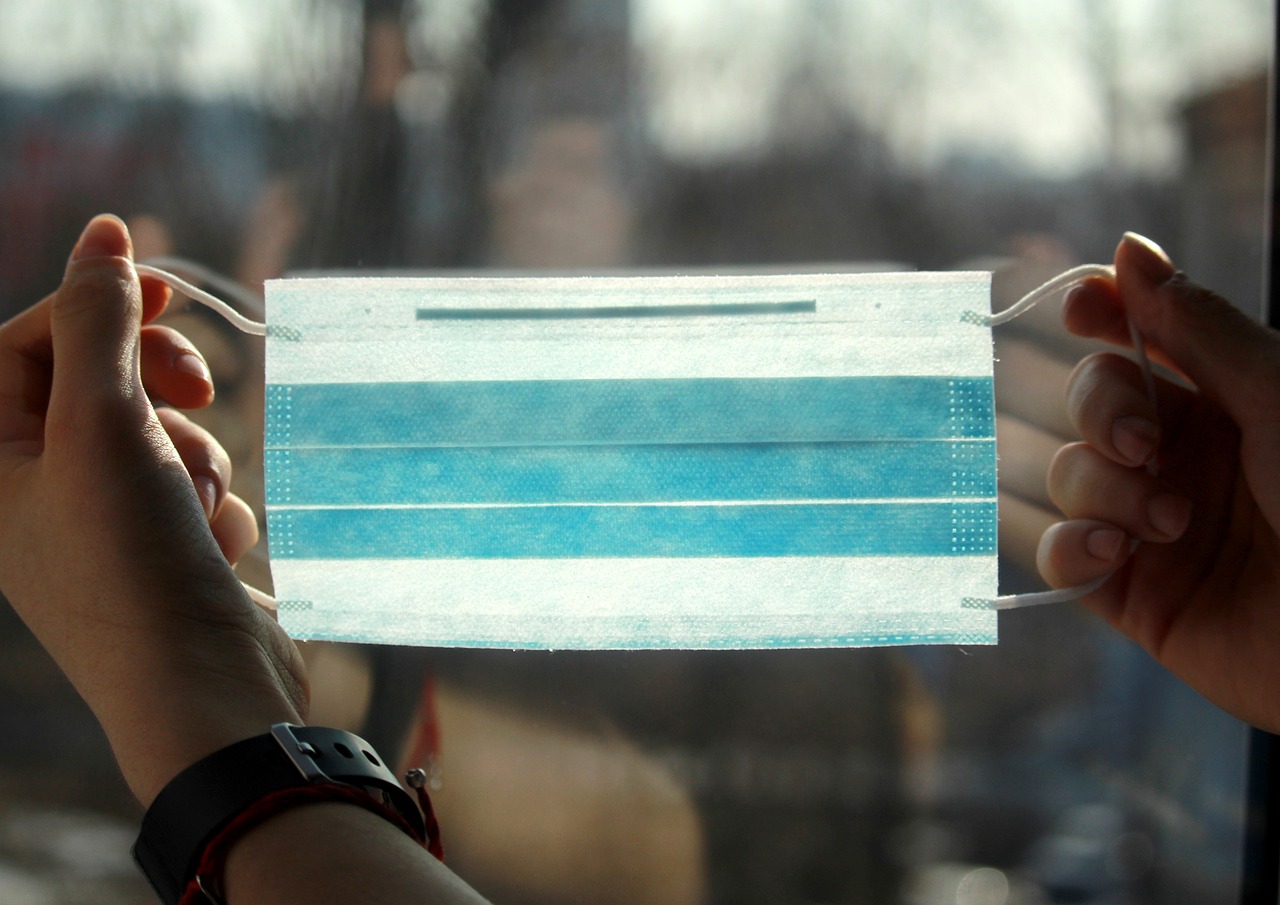
- Take extra precautions. Improve indoor ventilation and consider wearing a well-fitting mask.
Keeping the holiday table safe
Alongside respiratory viruses, health officials are warning about foodborne illness, which can spread quickly when large meals are prepared and served for a crowd. Their advice covers every stage of the holiday meal:
- Clean hands and surfaces. Wash hands with soap and water for at least 20 seconds before, during and after cooking, especially after touching raw meat, poultry, seafood or eggs. Scrub cutting boards, counters and utensils with hot, soapy water, and rinse fresh produce under running water.
- Keep raw foods separate. Store and prepare raw meat, poultry, seafood and eggs away from ready-to-eat foods, and use separate cutting boards for meat and produce. Do not wash a raw turkey – splashing water can spread bacteria around the kitchen.
- Thaw safely. Never thaw a turkey on the counter or in hot water. In the refrigerator, allow about 24 hours for every 4-5 pounds. When using cold water, keep the bird in leakproof packaging and change the water every 30 minutes. A turkey thawed in cold water or the microwave should be cooked right away.
- Use a thermometer. Turkey and other poultry, including stuffing cooked inside the bird, must reach 165°F, measured at the innermost thigh and wing and the thickest part of the breast. Ground meats should reach 160°F, while whole cuts of beef, pork, lamb and veal need 145°F followed by at least a three-minute rest. Color alone is not a reliable guide.
- Avoid the “danger zone.” Bacteria multiply fastest between 40°F and 140°F. Keep hot dishes at 140°F or above and cold dishes at 40°F or below, use warming trays, slow cookers or ice for buffets, and do not leave perishable food out for more than two hours.
Mental health and drinking responsibly
The department also acknowledged that the season can be hard for some New Yorkers. Anyone looking for mental health support, or in crisis, can call or text 988 at any time. Hundreds of mental and behavioral health providers can be found through NYC Mental Health Connect.
For those planning to drink, officials suggest deciding in advance how much to have and how to get home, eating before and during the evening, alternating with non-alcoholic drinks, checking whether any medications interact with alcohol, and relying on a designated driver, public transit or a taxi.
More information on preventing foodborne illness is available at nyc.gov/health/foodsafety.