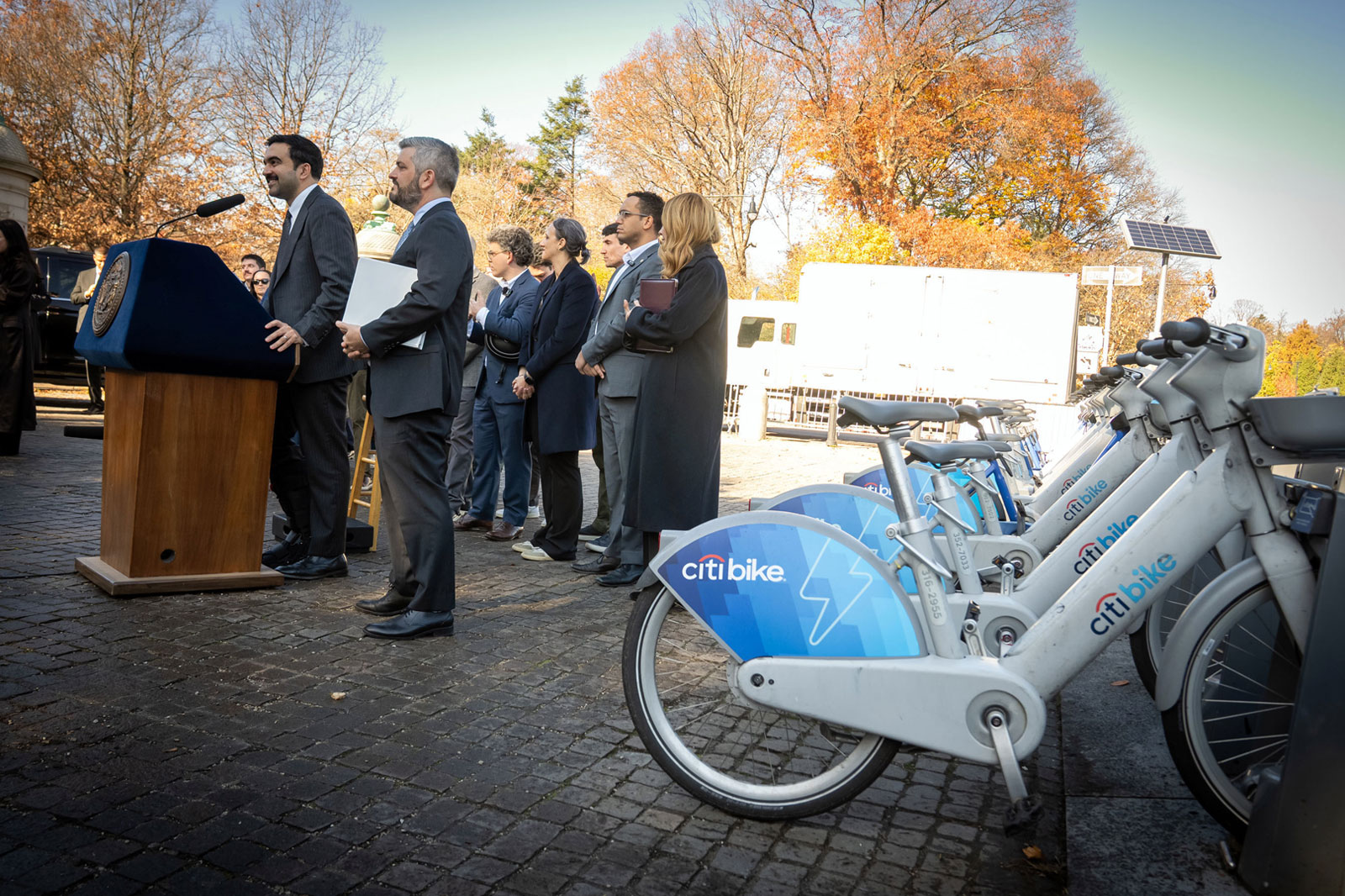
New York City is putting a ceiling on what Citi Bike members pay for electric bike trips. Under an agreement announced Monday by Mayor Zohran Mamdani, Department of Transportation Commissioner Mike Flynn and Lyft, the company that operates the bike share system, member e-bike rides of up to 45 minutes will cost no more than $3.65, and key prices will be frozen until 2029.
The cap takes effect on January 19, 2027, and applies to all members, including riders enrolled in the Reduced Fare Bike Share program. Shorter trips that already cost less than $3.65 will keep their current price. According to City Hall, the change can save a rider up to $8.50 per trip, cutting maximum fares by more than two-thirds and adding up to 31 minutes of riding at no extra cost.
Prices locked until Lyft’s contract ends
The second part of the deal starts immediately. The annual membership fee, the member per-minute e-bike rate and member overage fees will stay at current levels through May 26, 2029 – the date Lyft’s current contract with the city expires.
The new limit replaces the existing $5.40 cap, which covered only e-bike rides of up to 45 minutes that entered or left Manhattan, as well as the one-time allotment of 60 e-bike minutes that members received.
Mamdani said getting around the city should not come with “a price tag that keeps climbing by the minute.” He presented the move as part of his affordability agenda, arguing that for many working New Yorkers even a short ride across the borough had become one more expense to worry about. Flynn said the cap would let riders spend more time enjoying the trip and less time watching per-minute charges add up.
More charging stations on the way
Alongside the fare changes, the city will help Lyft modernize Citi Bike’s operations and lower its costs, including by making it faster and easier to install on-site charging at stations. The first wave will bring more than 130 charging stations starting in early 2027.
Today, crews drive from dock to dock to swap depleted batteries for charged ones. Electrified stations will let e-bikes charge where they are parked, keeping more of them available to riders, reducing manual battery swaps and improving sustainability. Citi Bike General Manager Patrick Knoth said the new chargers would mean more fully charged e-bikes waiting at docks when riders need them.
The announcement comes a month after Mamdani marked the completion of a major Citi Bike expansion that added more than 230 stations and 3,700 docks across seven neighborhoods in the Bronx, Brooklyn and Queens.
Council members and advocates welcome the deal
City Council Speaker Julie Menin called Citi Bike an essential part of the city’s transit network, reaching parts of New York the subway and bus system do not serve well, but said its rising cost had become an unacceptable burden during the affordability crisis. She noted that the Council will hold an oversight hearing next Wednesday, chaired by Majority Leader and Transportation Chair Shaun Abreu and Council Member Lincoln Restler, focused on further improving the network.
Restler, who says Citi Bike has become the most expensive bike share program in the world, introduced legislation two years ago that would have capped rides at the price of a subway or bus fare. Abreu pointed out that the system tops 200,000 rides on some days, rivaling the ridership of the PATH train.
Street safety and transit groups also praised the agreement. Ben Furnas, executive director of Transportation Alternatives, said thousands of New Yorkers had signed the group’s petition calling for an affordable Citi Bike. Sara Lind of Open Plans said bike share, like buses and the subway, should be affordable for everyone. Eric McClure of StreetsPAC argued that the cap will also remove an incentive for riders to rush to their destinations to save money, putting speed ahead of safety.
Key facts
- Member e-bike rides of up to 45 minutes capped at $3.65 from January 19, 2027
- Reduced Fare Bike Share participants are included
- Savings of up to $8.50 per trip
- Membership fee, member per-minute rate and overage fees frozen through May 26, 2029
- More than 130 station charging points planned from early 2027